
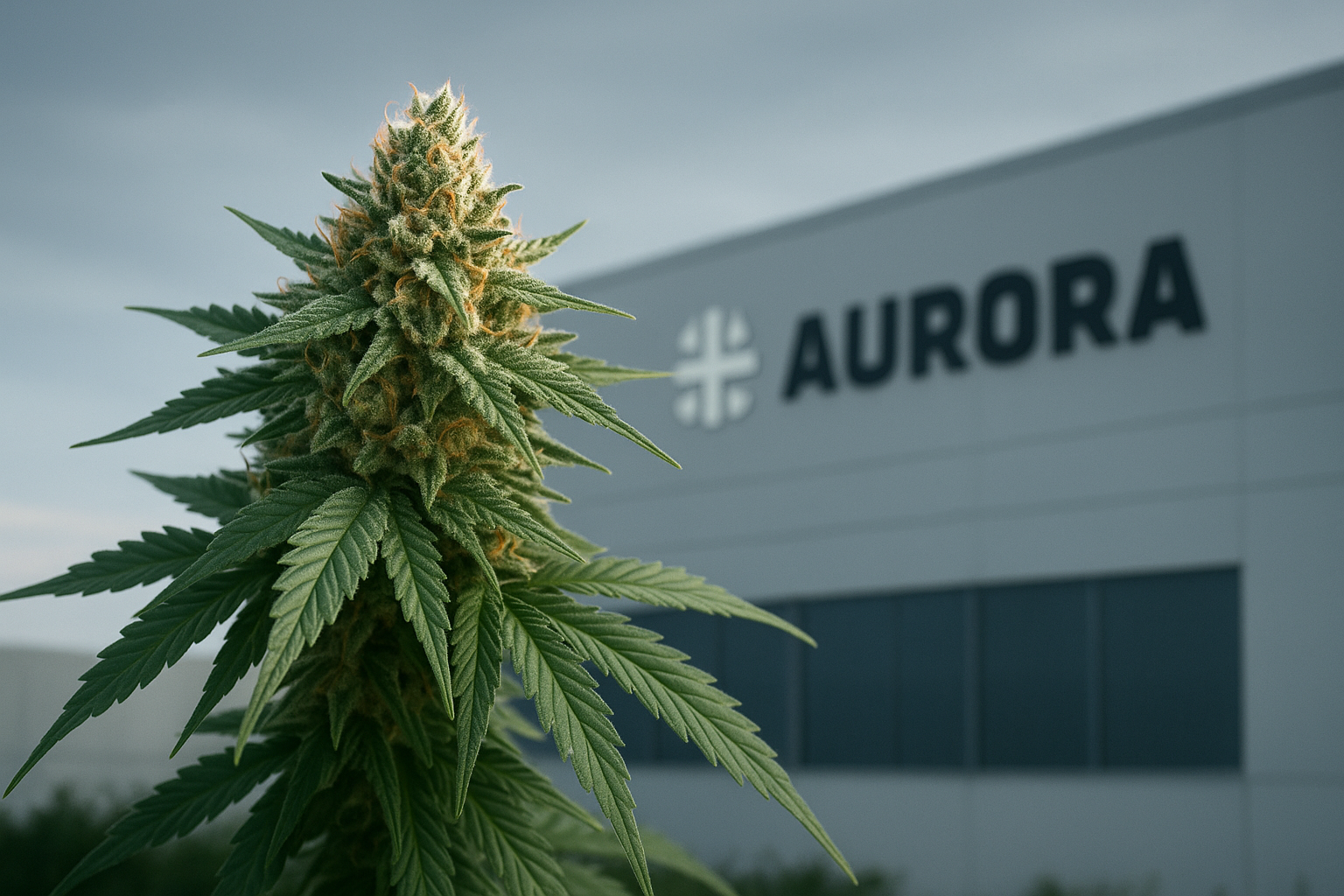
Aurora Cannabis subsidiary Safari Flower Company has secured European Union Good Manufacturing Practice certification for its Niagara Region cultivation and manufacturing facility in Ontario, a three-year credential that opens the door to supplying regulated medical cannabis markets in Germany, Poland and the UK. The certification, announced July 23, 2026, arrives roughly three months after Aurora completed its acquisition of Safari, and it signals the parent company is moving quickly to fold new capacity into its existing international supply network.
EU-GMP is not a rubber stamp. It's a manufacturing standard borrowed from pharmaceutical production, requiring documented quality management systems, batch traceability, environmental controls and rigorous staff training across every stage of cultivation and processing. For Canadian producers hoping to export into Europe, it's effectively the price of admission - without it, a facility can grow perfectly compliant domestic-market flower and still have no path to a German pharmacy shelf. That distinction matters for operators weighing capital investment decisions, since retrofitting a facility to EU-GMP specification often means rebuilding HVAC systems, tightening batch-record documentation, and layering in quality assurance staff that a purely domestic adult-use operation wouldn't need. It's a different discipline entirely from running a retail counter or managing a dispensary pos system New York operators might use to track daily transactions and inventory shrinkage - one is about export-grade manufacturing controls, the other about point-of-sale compliance in a state-legal retail environment, and conflating the two is a mistake newer entrants sometimes make. dispensary pos system New York
Why International Certification Carries Weight
Medical cannabis import markets in Europe operate under pharmaceutical-grade procurement rules, meaning wholesale buyers there - pharmacies, distributors, insurance-reimbursed supply chains - generally won't touch product without EU-GMP paperwork attached to the batch. That creates a narrower, more demanding tier of the global cannabis trade, distinct from adult-use retail in North America. Facilities that clear the bar can charge into wholesale pricing structures that reflect the compliance overhead; those that can't are largely locked out of Germany's and Poland's expanding medical channels regardless of product quality. For a company like Aurora, which has spent years building a footprint across multiple regulated jurisdictions, adding a certified Ontario site diversifies where product can originate without triggering a fresh certification cycle from scratch.
What It Means for the Broader Supply Chain
Vertical integration across cultivation, processing and export logistics is increasingly what separates durable medical cannabis suppliers from smaller players chasing single-market licenses. Safari's facility brings a documented compliance history and an existing exporting track record, not just square footage - 59,000 square feet of it, to be specific - and that history shortens the runway for Aurora to route product through it. In practice, though, certification is only step one; maintaining it requires continuous audit readiness, consistent COA results across batches, and a compliance culture that doesn't slip once the inspectors leave. Regulators on both sides of the Atlantic will be watching renewal cycles closely, and so will competitors angling for the same shelf space in patient-facing markets that are still, by most accounts, in an early growth phase.