
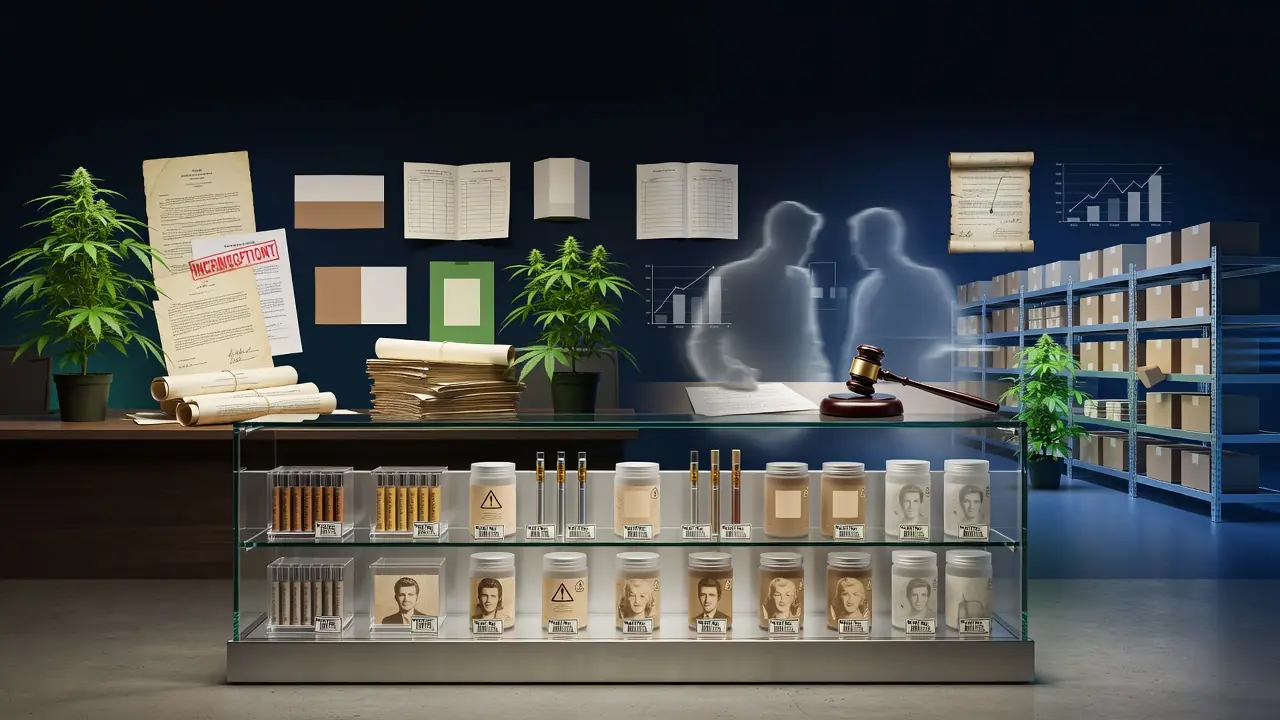
A brand built around a deceased public figure's name or image is not automatically a safe bet. For cannabis operators chasing nostalgia marketing or a recognizable persona to anchor a product line, the legal groundwork required before launch is often more involved than it looks, and more expensive to get wrong than to get right the first time.
Why Posthumous Rights Still Require Paperwork
Here's the catch: death does not erase publicity rights. In most states, the right of publicity - control over a person's name, image, and likeness for commercial purposes - survives the individual and passes to an estate or a designated rights holder. For brands, that means securing a license isn't a courtesy. It's a legal necessity. Cannabis companies eyeing a cultural icon's name for a strain, a vape line, or a pre-roll brand need the same diligence a liquor or apparel company would apply: confirm who controls the rights, negotiate terms, and get it in writing. Skipping that step doesn't just risk an infringement claim; it risks the kind of cease-and-desist letter that can halt a product launch mid-distribution, stranding inventory already sitting on dispensary shelves.
What "Writing to a Dead Man" Really Means in Practice
The phrase sounds whimsical, but the underlying business logic is straightforward. Reaching out - formally, in writing, to an estate, trust, or rights-management entity tied to a deceased figure - is often the only route to a defensible license. Operators who treat this as optional tend to learn the hard way that trademark offices and courts don't care how flattering the branding was. A cease-and-desist, a canceled trademark application, or a costly settlement can wipe out marketing spend and damage retail relationships built around a product line that suddenly can't be sold. For multi-state operators managing SKU rosters across different regulatory jurisdictions, an unresolved rights dispute also complicates compliant packaging updates, since labels referencing a name or likeness may need to be pulled and reprinted across every market where the product is distributed.
The Compliance Layer Cannabis Brands Can't Skip
Unlike alcohol or mainstream consumer goods, cannabis branding sits inside an added layer of regulatory scrutiny. State cannabis regulators already review packaging and marketing claims for compliance with advertising rules, age-restriction requirements, and limits on imagery that might appeal to minors. Layering a celebrity likeness dispute on top of that review adds a second track of legal exposure - one rooted in civil law rather than cannabis-specific statute, but just as capable of derailing a product rollout. Retailers stocking a disputed brand can find themselves pulling inventory from shelves with little notice, which disrupts wholesale menus and complicates seed-to-sale tracking adjustments in systems like METRC.
- Confirm rights-holder identity before signing any licensing agreement tied to a public figure's name or image
- Document licensing terms in writing, including territory, duration, and permitted product categories
- Coordinate packaging compliance review with state cannabis regulators separately from any publicity-rights clearance
- Build contingency plans for dispensary partners in case a rights dispute forces a product pull
To put it plainly: the upfront cost of proper licensing is almost always smaller than the downstream cost of litigation, inventory write-offs, and reputational damage with retail partners. For an industry still working to professionalize its brand practices under 280E tax pressure and tight margins, that's not a small consideration.