
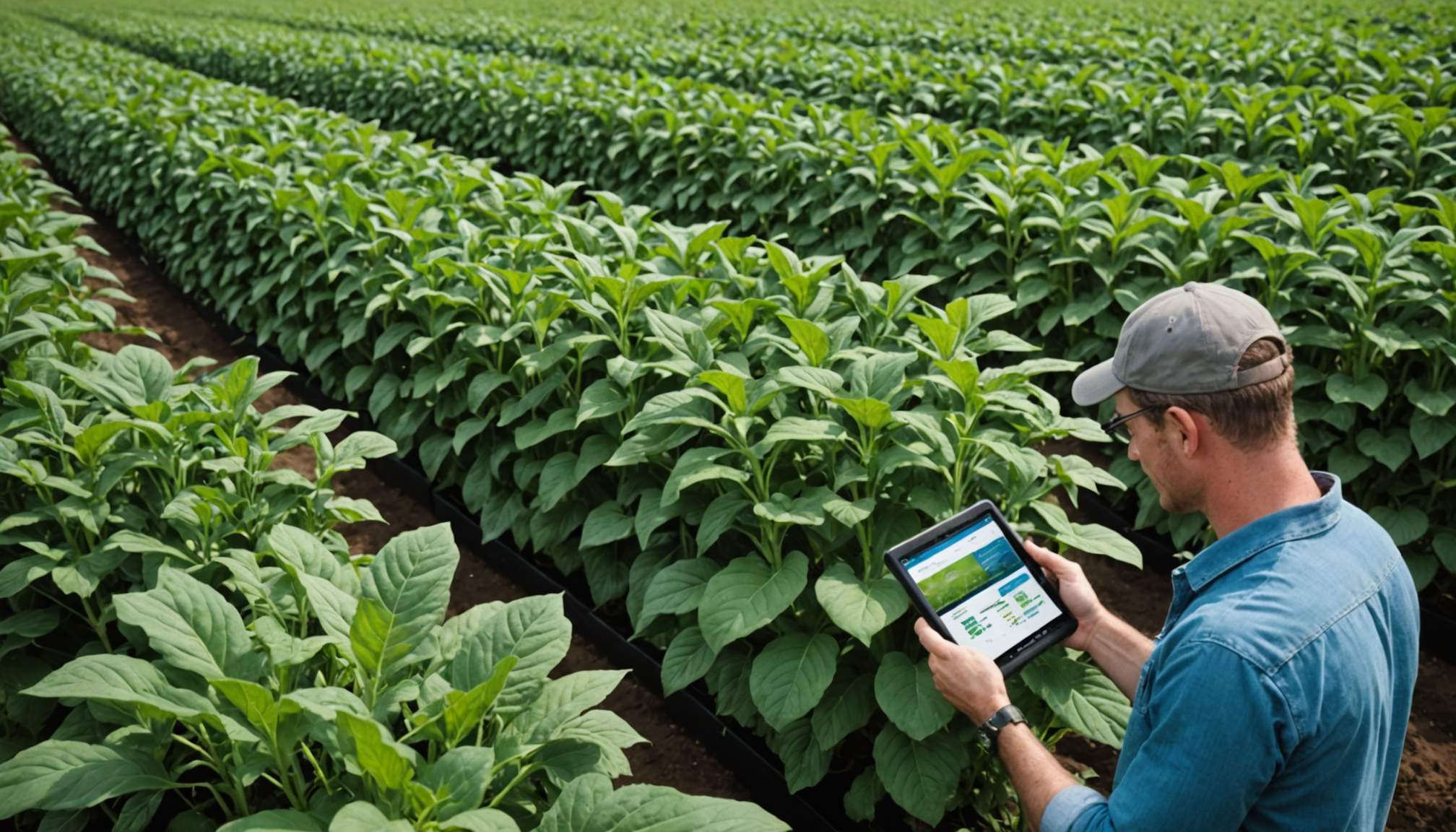
TSRgrow is rolling out a significant expansion of its GROWHub Intelligent Cultivation Software for 2026, adding advanced analytics, energy monitoring, batch-record tools, Metrc integration and building management system connectivity to a platform that already anchors its LED lighting and Remote Power infrastructure. The update matters because commercial cultivators have been managing cultivation controls, environmental data and compliance recordkeeping across separate, often disconnected systems - a setup that creates real friction when regulators come asking for documentation.
Cultivation software has historically lagged behind the retail side of the cannabis supply chain, where operators long ago consolidated inventory, sales and compliance reporting into unified systems. Dispensary operators, for instance, have grown accustomed to platforms that tie point-of-sale transactions directly to seed-to-sale tracking; a Washington operator running a point of sale for dispensary washington location expects that level of integration as a baseline, not a luxury. Cultivation has been playing catch-up, with growers often stitching together spreadsheets, standalone lighting controllers and manual logs to reconstruct what actually happened during a crop cycle.
Why Batch Records and Metrc Integration Carry Weight
Expanded batch-record functionality lets cultivation teams organize environmental conditions, lighting settings and operational data around specific crop cycles rather than reconstructing that history after the fact. Tying that record directly into Metrc - the track-and-trace system used across most licensed markets - reduces the manual re-entry that tends to introduce errors and inconsistencies into compliance filings.
That matters more now than it might have a few years ago. As federal rescheduling discussions continue and state regulators tighten reporting expectations, operators with clean, traceable production records will be better positioned to withstand audits and respond to inspection requests. A grower who can show exactly what lighting recipe, photoperiod and environmental profile produced a given batch has a documentation advantage that spreadsheets simply can't replicate at scale.
Energy Monitoring Meets Facility Operations
The energy monitoring component deserves attention on its own. Lighting represents one of the largest operating costs in indoor and greenhouse cultivation, and TSRgrow's approach ties consumption data from its Remote Power infrastructure directly to cultivation and environmental records. That allows operators to see, cycle over cycle, how specific lighting strategies affect both yield and utility spend - not as an afterthought buried in a facilities budget, but as part of the same dataset used to evaluate crop performance.
Expanded BMS connectivity extends that logic further, letting GROWHub exchange information with broader building systems rather than operating as an isolated tool. For multi-site operators managing several cultivation facilities, that kind of interoperability cuts down on the administrative overhead of reconciling data across platforms that were never designed to talk to each other.
What This Signals for Commercial Cultivators
The broader implication here isn't really about lighting control - it's about where cultivation software is headed. Operators are under mounting pressure to demonstrate consistency, manage 280E-driven cost pressures, and produce documentation that satisfies regulators without adding headcount. A platform that consolidates cultivation, energy and compliance data into one system doesn't eliminate that pressure, but it does give operators a more defensible paper trail and a clearer picture of where inefficiencies live.
- Centralized lighting control by facility, room, zone, rack, cultivar or growth stage
- Historical analytics for comparing crop cycles and identifying yield or quality trends
- Batch records linked to Metrc for stronger traceability and audit readiness
- Energy consumption data tied to cultivation performance metrics
- BMS connectivity reducing reliance on multiple disconnected platforms
Whether this translates into measurable operating gains will depend on how well individual operators put the data to use. Software alone doesn't fix inconsistent crop cycles or sloppy recordkeeping habits built up over years. But for cultivators trying to professionalize operations ahead of tighter federal and state scrutiny, having lighting, energy and compliance data live in one connected system is a meaningfully different starting point than managing it all by hand.