
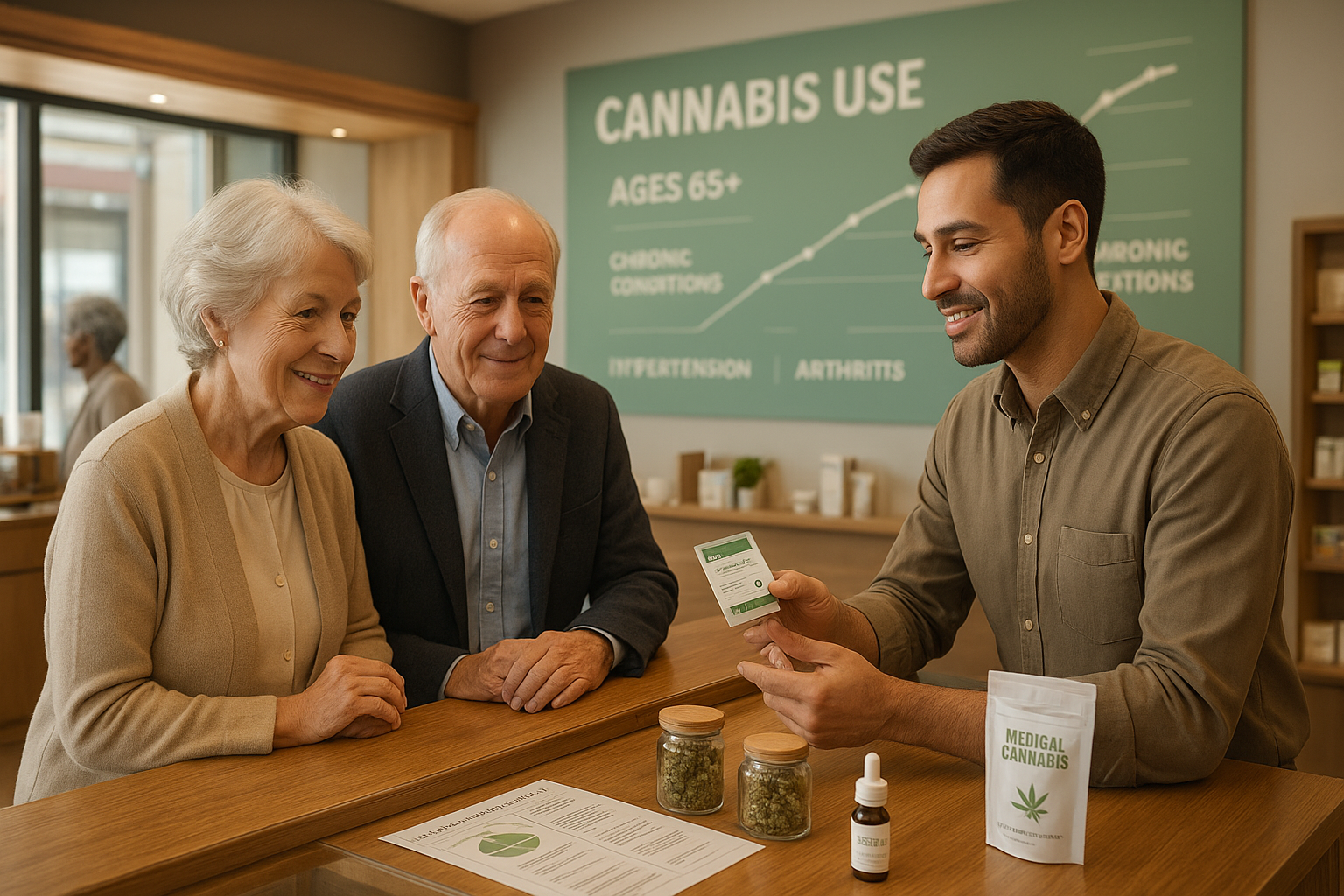
A significant demographic shift is already underway in cannabis retail, and the numbers from a new study in JAMA Internal Medicine make it hard to ignore. Researchers at the University of California, San Diego, and New York found that 7% of adults 65 and older reported past-month cannabis use in 2023 - a nearly 46% surge from 2021 figures drawn from the National Survey on Drug Use and Health. That's not a rounding error. That's a customer segment reshaping the retail floor.
What's striking here is the demographic profile behind those numbers. The sharpest increases came from adults who are married, white, college-educated, and - most dramatically - higher-income. Older adults earning over $75,000 annually went from the lowest-use income group in 2021, at 4.2%, to the highest in 2023, at 9.1%. These are not impulse buyers. They're deliberate consumers, likely doing research before they walk through a dispensary door, and they expect staff to meet them at that level. Dispensary operators in states with active adult-use and medical markets - like those tracking retail compliance standards with tools such as IndicaOnline in New York - are already navigating a consumer base that's older, more discerning, and less tolerant of a transactional budroom experience.
The research also flagged significant increases in cannabis use among older adults managing chronic conditions - heart disease, hypertension, diabetes, and cancer among them. Dispensaries operating in medical markets will recognize this pattern from their patient intake logs. The challenge is that older consumers with chronic conditions aren't a monolithic group. Their reasons for purchasing, the product formats they prefer, and the dosing questions they're likely to ask require a different kind of floor-level knowledge than what a typical adult-use transaction demands. That's a staff training gap many operators haven't fully closed.
What's Driving the Surge, and Why It Matters for Retail
The study attributes the increase largely to the rapid expansion of state cannabis laws and commercial market development - which is to say, availability and normalization working in tandem. As more states have moved from prohibition to regulated adult-use or medical frameworks, the friction around accessing cannabis has dropped. Older adults who might have been curious but unwilling to enter a gray or illegal market now have licensed dispensaries, tested products, and compliant labeling to work with. The destigmatization factor matters too. When a product is sold in a retail environment with receipts, certificates of analysis, and child-resistant packaging, it reads differently than it did a generation ago.
Here's the catch for operators, though: destigmatization lowers the threshold for first-time use, but it doesn't automatically produce an educated consumer. The researchers specifically recommended that clinicians screen and educate older patients about cannabis use, citing age-related physiological changes that affect how the body processes cannabinoids. Older adults may experience stronger or longer-lasting effects from the same dose that a younger consumer tolerates without difficulty. From a retail standpoint, that's a consumer safety and compliance issue - not just a customer experience one. A dispensary that puts a high-THC vape cartridge in the hands of a 70-year-old without adequate consultation isn't just risking a bad experience; it's risking a regulatory conversation it doesn't want to have.
Operational Adjustments Operators Should Be Considering
The business case for adapting to this customer base is straightforward. Older, higher-income consumers tend to have disposable income, brand loyalty potential, and a lower likelihood of chasing promotional pricing. They represent a steadier revenue profile than some other adult-use segments. But capturing that customer - and keeping them - requires operational adjustments that go beyond merchandising.
- Staff education: Budtenders need working knowledge of product formats appropriate for older consumers, including low-dose options, non-inhalable formats, and the difference between onset times for edibles versus inhalables. This isn't optional in a market where regulators and researchers are already flagging consumer safety concerns.
- POS and intake workflows: Medical dispensaries already collect patient health history. Adult-use operators don't - and legally, they often can't. But point-of-sale systems can be configured to surface relevant product recommendations and flag high-potency SKUs for additional staff consultation rather than self-service browsing.
- Accessible retail environments: Physical accessibility matters for an aging customer base in ways it hasn't in younger-skewing markets. Seating, clear signage, product labeling that's readable without magnification, and consultation areas that afford privacy are worth evaluating.
- Product mix review: If a dispensary's wholesale menu is weighted heavily toward high-THC flower and concentrate SKUs designed for experienced consumers, it may be missing the mark for the customer walking in for the first time at 68.
The broader regulatory backdrop matters here too. The DEA's ongoing rescheduling hearing - where, on its first day, both agency lawyers and an FDA official addressed cannabis's medical utility and its relative safety compared to alcohol and opioids - signals that the federal posture toward cannabis is shifting, however slowly. If rescheduling proceeds, the downstream effects on medical cannabis access, insurance coverage, and research will eventually touch how dispensaries serve older patients. That's not an immediate operational change, but it's worth tracking.
A Customer Segment That Won't Wait for the Industry to Catch Up
The 46% increase in cannabis use among adults 65 and older over just two years is the kind of growth figure that, in any other regulated retail sector, would prompt an immediate strategic response. Operators who treat older consumers as a niche will find themselves behind those who treat them as a core adult-use demographic - because the data suggests that's exactly what they're becoming.
The thing is, this isn't just a marketing reframe. It requires real operational investment: better trained staff, more thoughtful product curation, compliance-aware consultation practices, and retail environments designed for a broader range of consumers. Women in this age group are also increasing use faster on a percentage basis than men - another reminder that assumptions about who is walking through the dispensary door are increasingly unreliable.
Cannabis retail has spent years optimizing for younger, experienced consumers. The consumer base is telling operators, in numbers, that the profile is changing. The dispensaries paying attention now will be better positioned when the next wave of this demographic arrives - and, by every indication, it will.